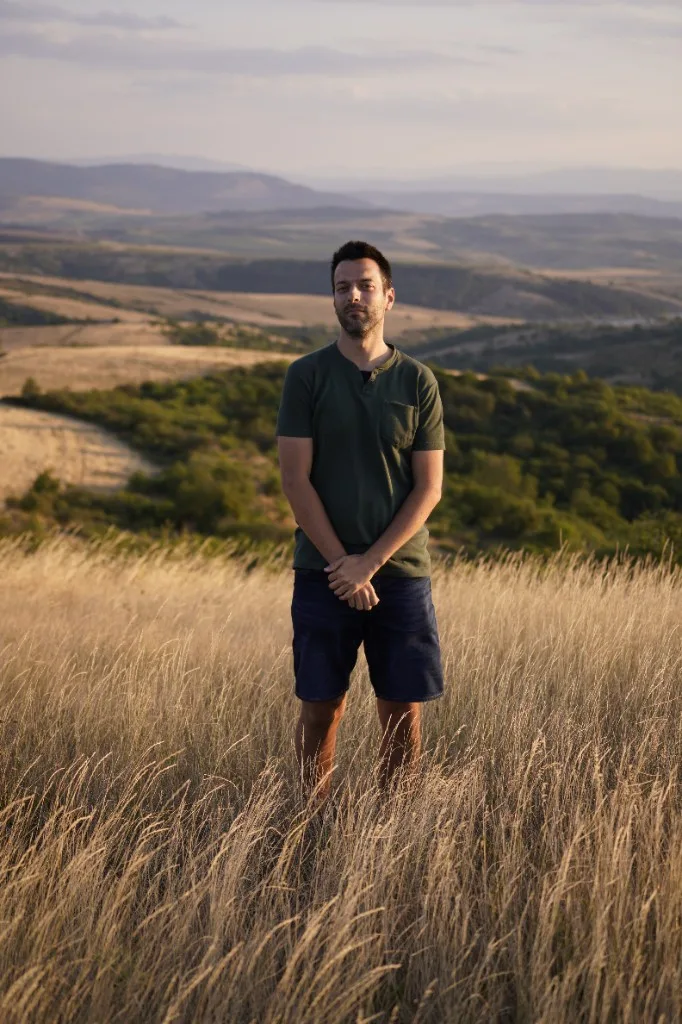
As photographers, we often romanticize success and perfection, but the lessons of failure in photography are far more valuable. Failure, while intimidating, is a necessary part of the creative journey. It teaches us to recalibrate our expectations and refocus on the art itself.
Embracing the lessons of failure in photography
Failure is an inevitable companion in the world of photography. For street photographers, for instance, 99.9% of shots can feel like missteps. However, each failed attempt carries valuable lessons that refine your skill. These lessons of failure in photography remind us that progress comes not from avoiding mistakes but from learning through them.
Rethinking success
In today’s world, success is often measured by fame and money. But is that true fulfillment? For me, success is the joy of creating, the quiet satisfaction of knowing I’ve told a story through my lens. Additionally, it’s the understanding that art’s purpose isn’t always to please but to provoke, connect, or inspire.
Artistic realization happens when your work speaks for itself. Yet, the energy poured into art isn’t meant to stay hidden—it thrives when shared. Therefore, every project adds a unique voice to the history of art, and that contribution alone is a triumph.
Doubt as a daily companion
The strongest among us aren’t fearless; rather, they embrace doubt and worry as tools for growth. After all, failure is simply the gap between expectations and results. It’s a chance to start fresh and approach your craft with renewed energy.
As photographers, we must constantly ask: does every image in a series build upon the others? Does the story deepen with each frame? Only by asking these questions can we ensure our work continues to evolve.
Redefining failure and success
Failure and success are not opposites—they’re beginnings. In fact, both are subjective, shaped by personal perspective. While one person’s triumph might be another’s mistake, the reverse can also be true. The key lies in humility, in acknowledging missteps as essential to progress.
Moreover, the greatest error we can make is believing we’ve arrived. Artists live in a constant state of doubt, questioning their work at night only to rise and try again in the morning. Therefore, persistence – not perfection – is the path forward.
The essence of photography
Photography is the art of seeing, an unbounded medium that brings us closer to life itself. Consequently, its only limits are those we impose upon ourselves. The gifted photographer sacrifices time, comfort, and ego, but the reward is a perspective that’s uniquely theirs.
Art vs. craft
What separates art from craft? While both require skill, art demands vulnerability, a willingness to expose your inner world. On the other hand, failure in art is deeply personal, while in craft, it’s technical. Nevertheless, true success comes when we strip away ego, embracing sincerity and humility in our work.
The price of art
As photographers, we rarely find financial security in our craft. The art market is fickle, and money often follows trends, not passion. However, value isn’t tied to currency – it’s in the integrity of the work and the time we invest.
Thus, success, ultimately, is freedom: the freedom to create, to love the process, and to explore the depths of our vision. So don’t chase money – it will always elude you. Instead, chase meaning.
Why the lessons of failure matter more than success
In today’s world, success often means fame and fortune. However, the lessons of failure in photography challenge us to rethink what it truly means to succeed. Success can be the quiet satisfaction of telling a compelling story through your lens – not just the applause or accolades.
Failure teaches persistence, authenticity, and humility, qualities that transform photographers into artists. By embracing these lessons, we redefine success as a journey of constant growth.
Final thoughts on the lessons of failure in photography
Photography, as an art, thrives on vulnerability and the willingness to take risks. Every failure, whether technical or artistic, is a step toward mastery. By focusing on the lessons of failure in photography, we gain the freedom to create without fear and pursue our craft with authenticity.
To succeed as a photographer – or in any creative field – you must embrace failure, manage time wisely, and focus unwaveringly on your goals. Furthermore, stay true to yourself, and remember: Don’t try, just do.