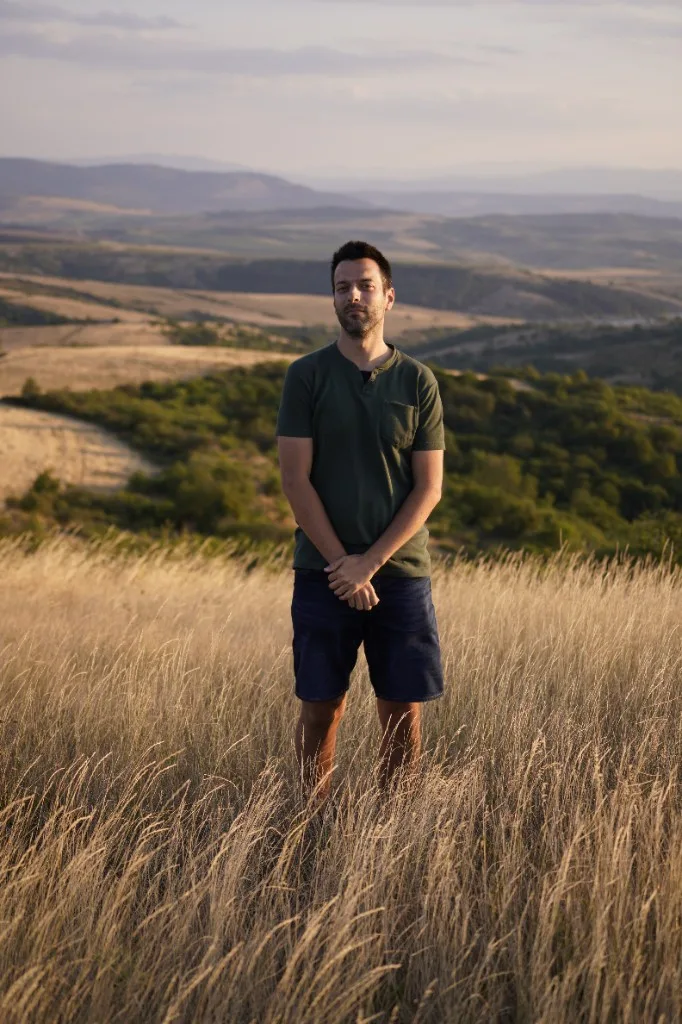
These are notes from a conversation I had with my friend Boris Tsenov — a photographer whose work lives inside Orthodox temples and monasteries. We talked about how the camera became a continuation of his hand, and how faith, blessing, and church life shape the pictures he makes.
To capture the visible in such a way that the viewer can feel the invisible.
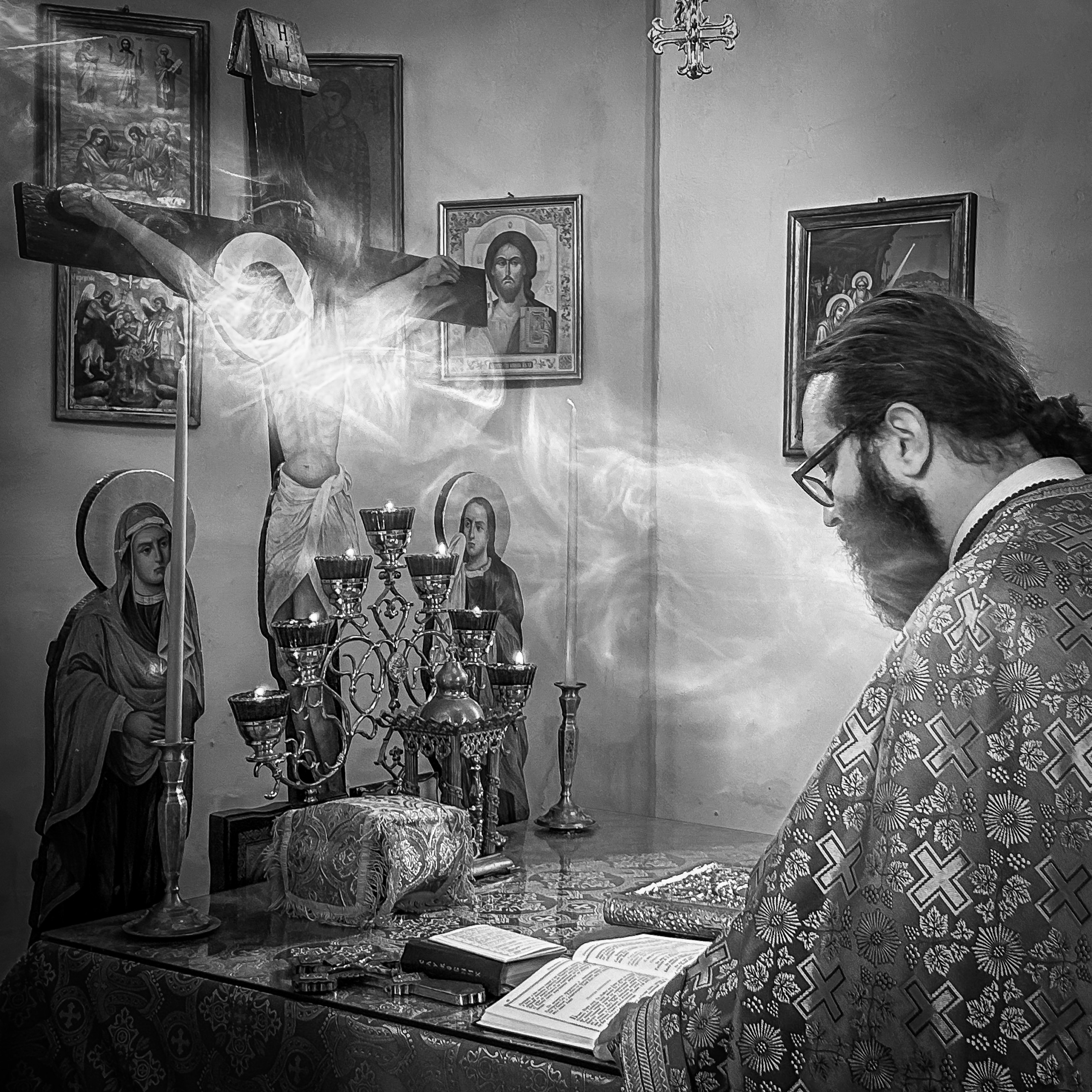
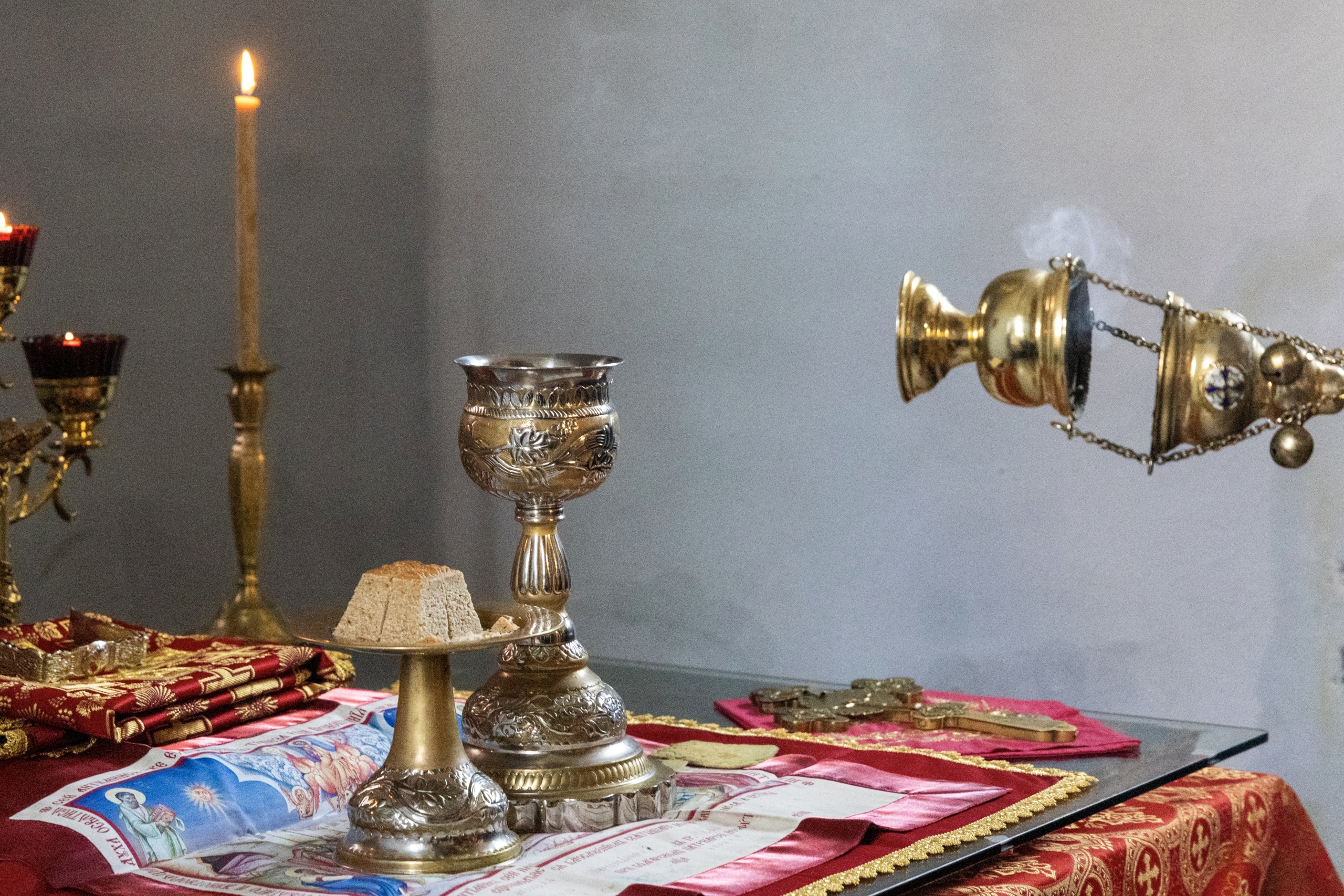
How did you first get into photography, and what eventually led you to photographing Orthodox church events?
I have always enjoyed capturing moments — mostly for memory, but also to stamp the visible part of emotion. Later, when you see an image again, something buried deep in memory suddenly rises: it takes you back and floods you with a feeling you thought you had forgotten.
Until I was about 35 I was simply pressing a button — first on a cheap film camera, later on its digital successor, the so-called “soap dish.” I was constantly disappointed. The pictures weren’t good. So I started photography classes, and I have kept learning for years. I’m not always sure the photos are getting better, but the camera has become a natural continuation of my arm. Somehow it isn’t as much fun without it.
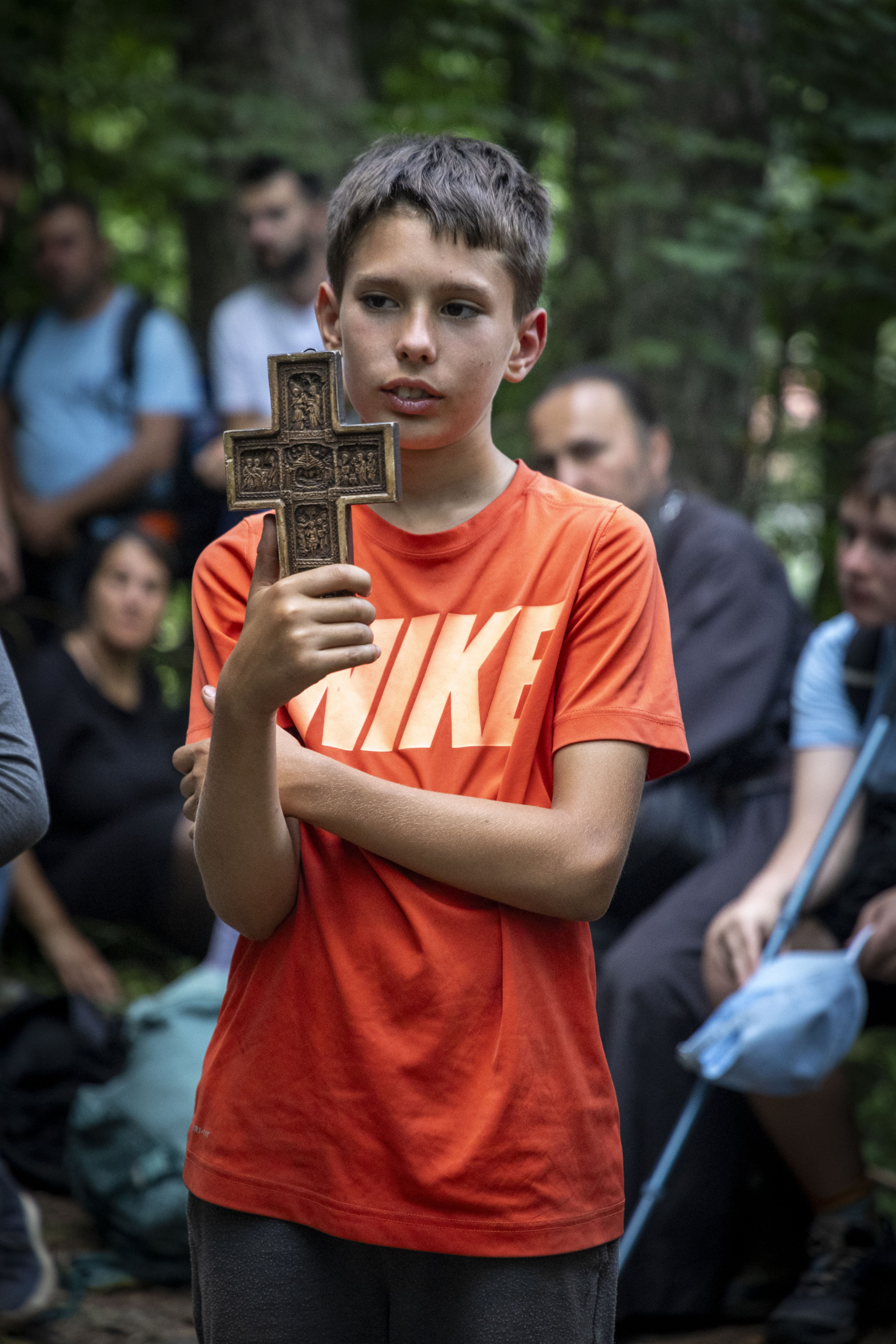
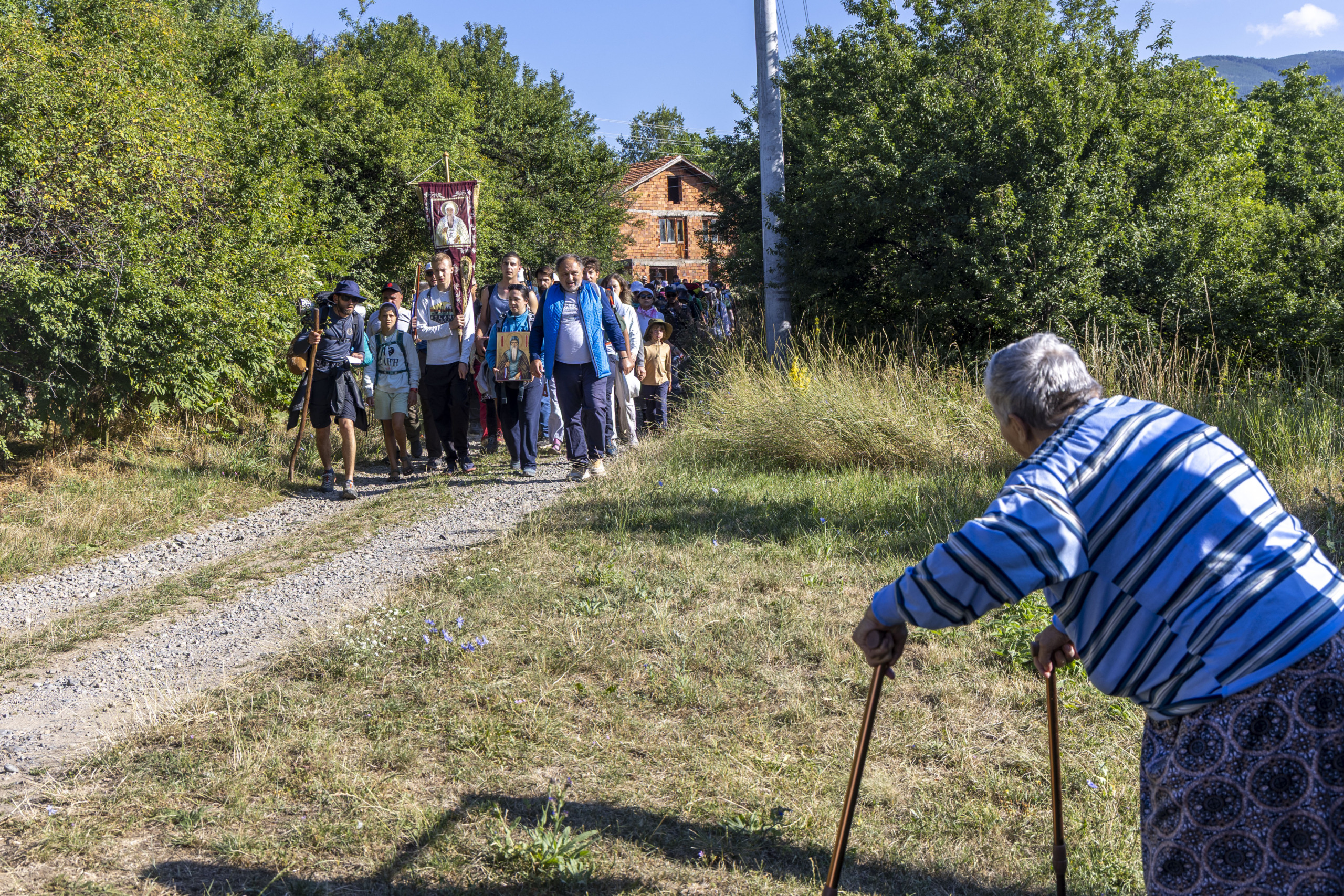
What attracted you to photographing religious ceremonies specifically?
It isn’t only the ceremonies. I became a believer years ago, shortly before buying my first DSLR. Everything felt interesting, so I photographed everywhere — including in church, whenever a priest had given his blessing. Over time I noticed that the frames that worked best were the ones of Orthodox life. Appetite grew. So did diligence.
Years ago a friend of mine — an archimandrite of the Bulgarian Orthodox Church (a hieromonk rewarded for excellent service), then head of a large monastery — helped me enormously. He trusted me and blessed me to photograph whatever I chose in the monastery. That practice, and the experience I gained there, is priceless. So much so that after liturgy he usually says: “The service ended ten minutes ago — how come you still haven’t sent me any pictures?”
What are you looking for when you enter a church with your camera?
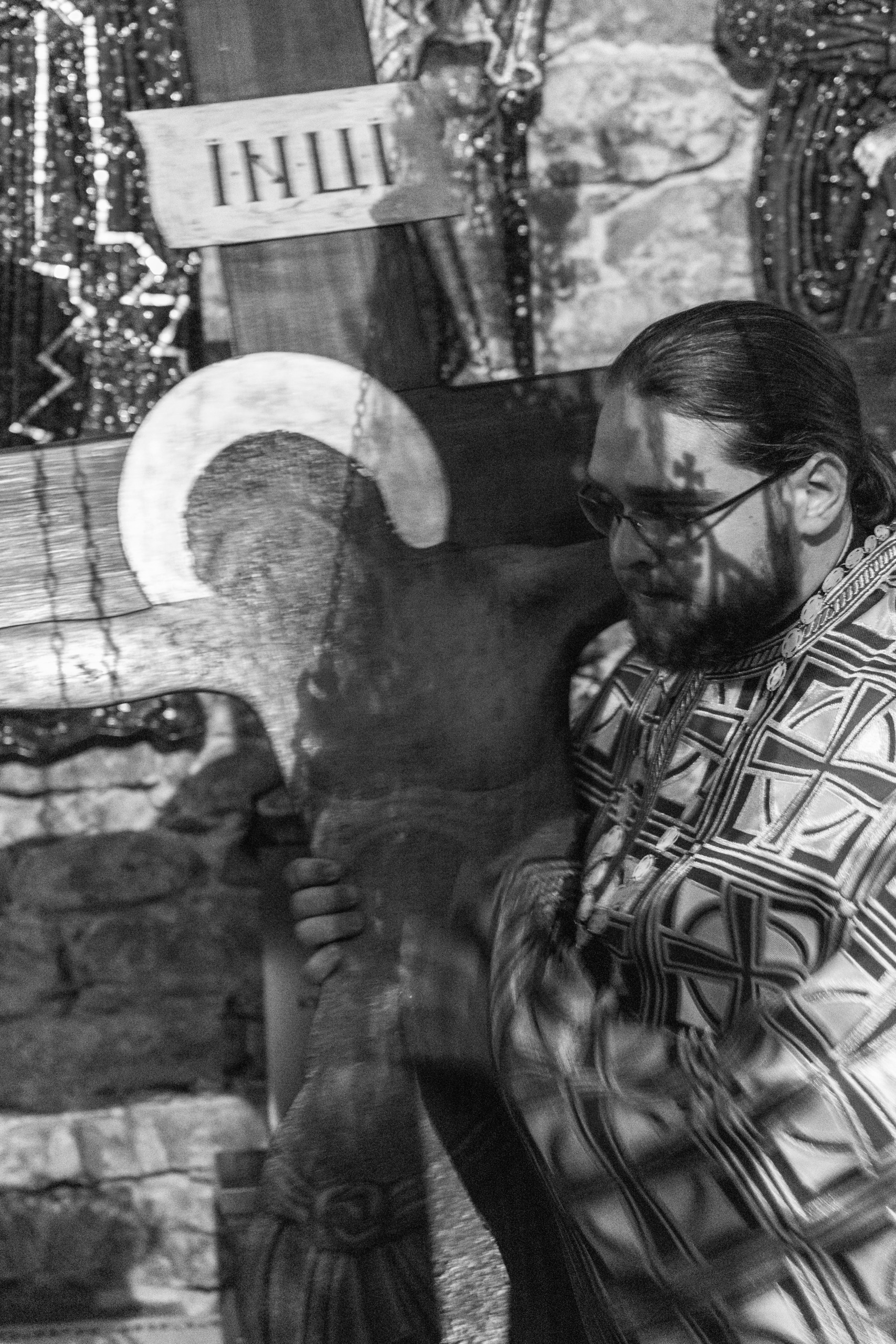
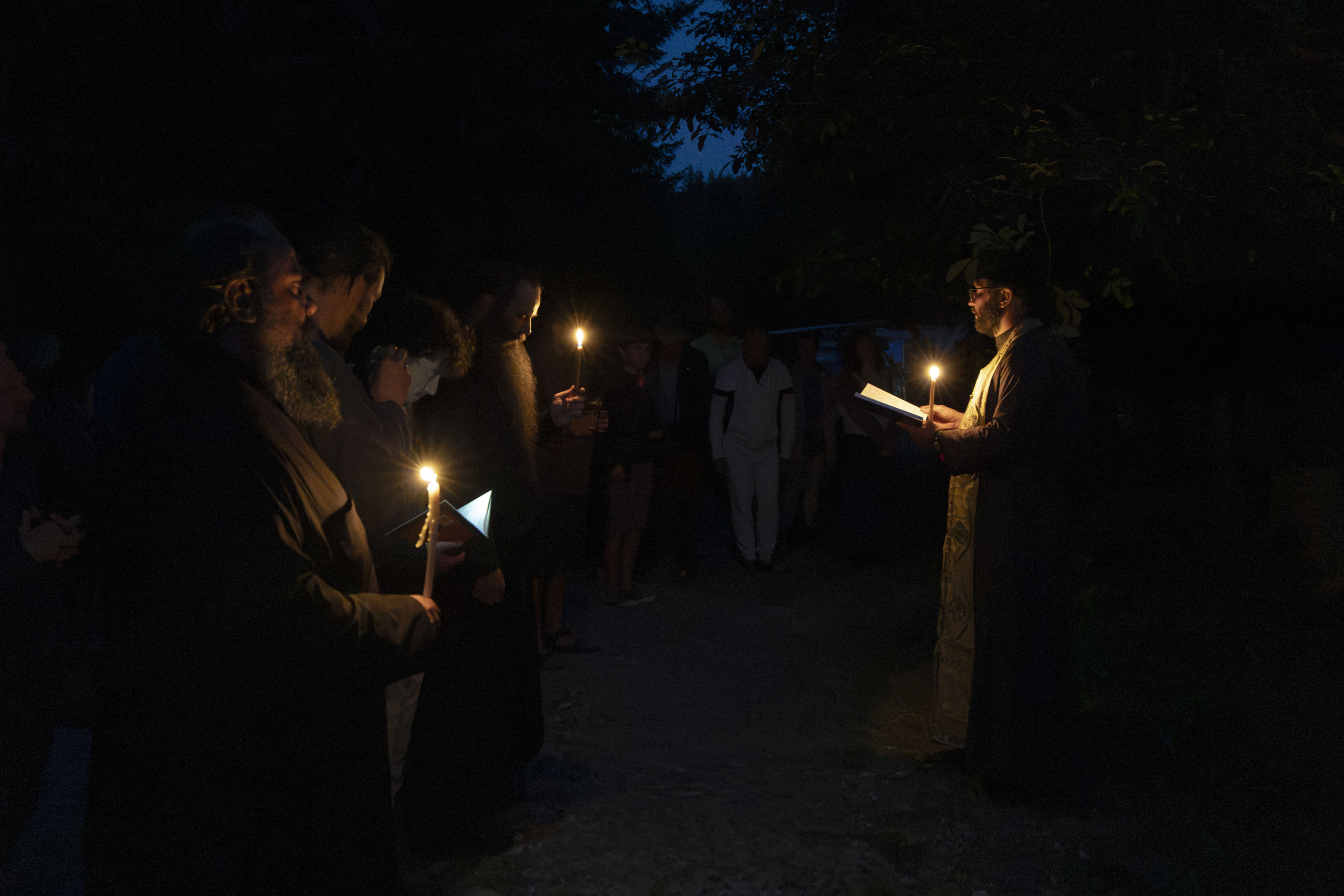
To capture the visible in such a way that the viewer can feel the invisible. But as Professor Tsocho Boyadzhiev notes in an interview, the thing in its essence has to reveal itself to you. In Orthodox language: may the Lord bless it. Otherwise, “unless the Lord watches over the city, the guards stand watch in vain.”
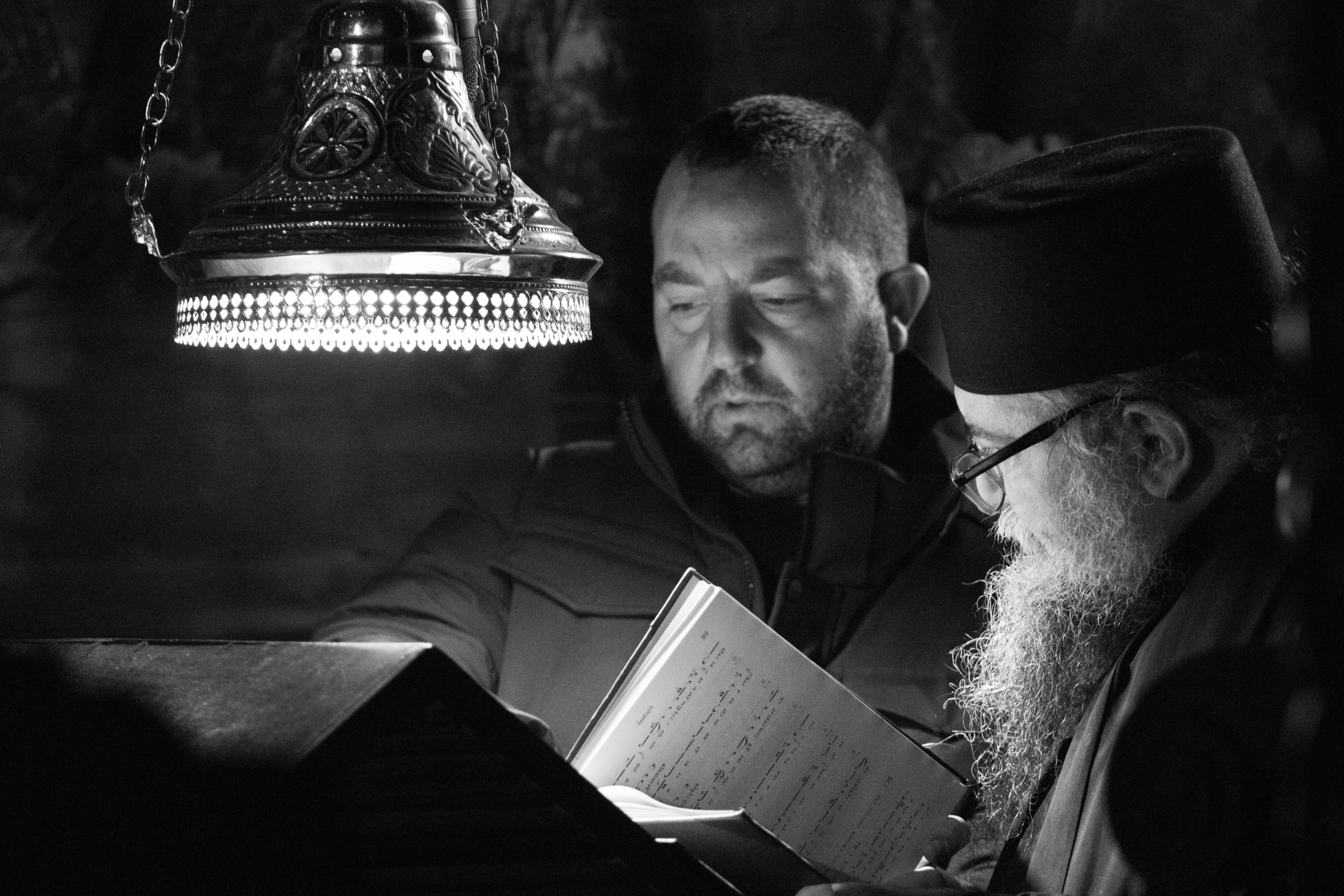
Usually it happens by catching emotion — already a hard task — and the emotion here is different from the ones we see in the world.
Do you approach a religious event differently from other types of documentary photography?
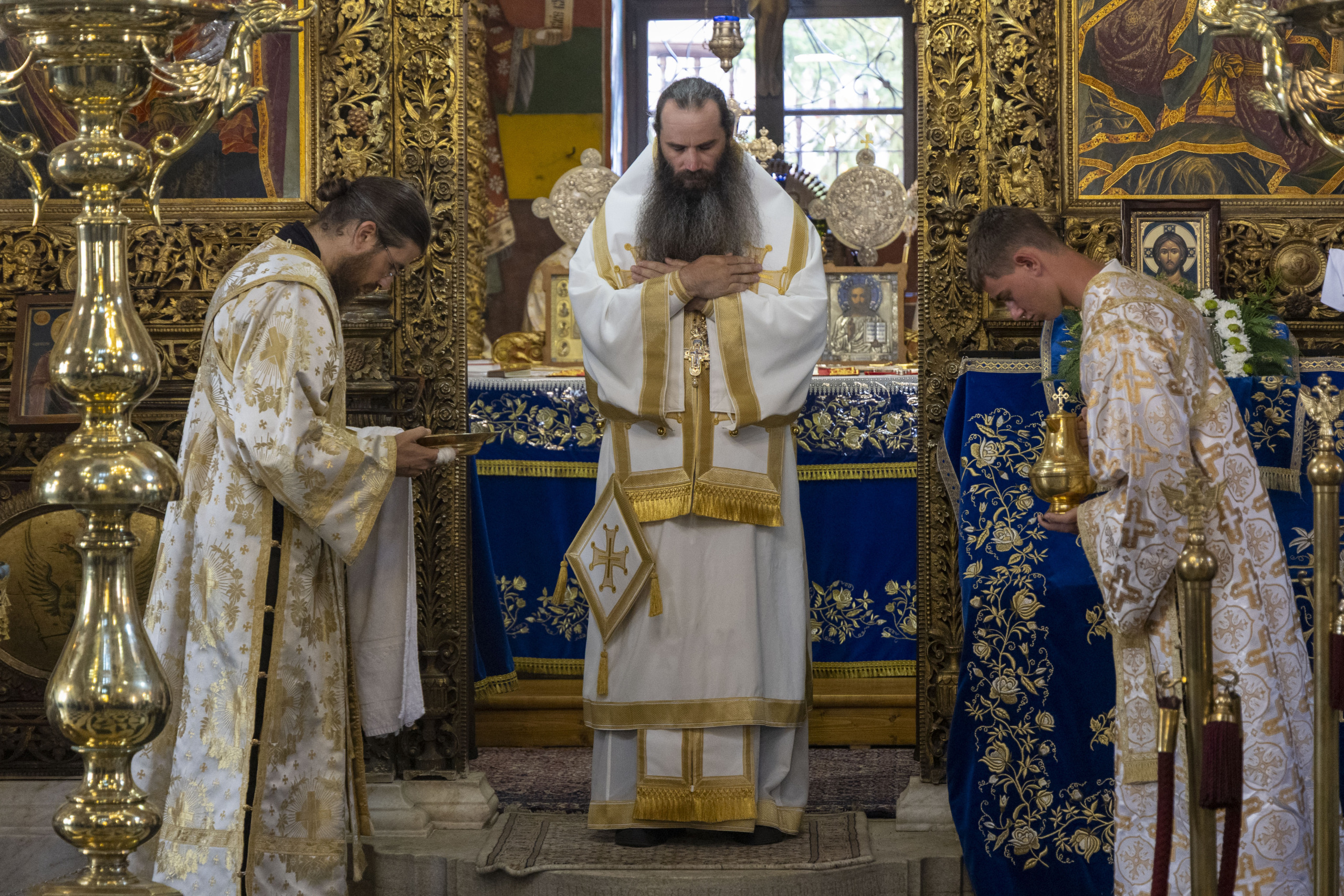
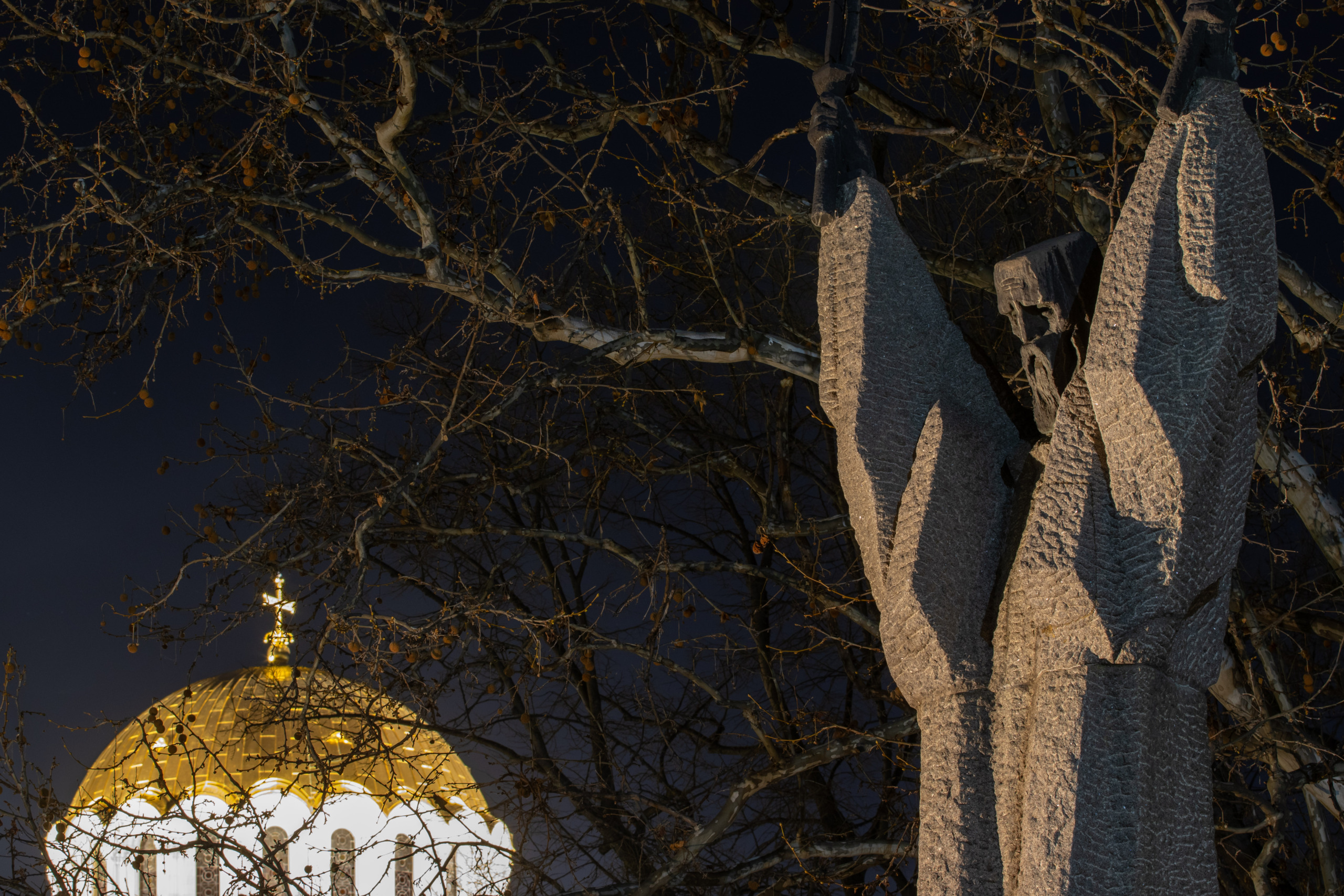
Orthodoxy is life — a way of living — not something abstract and distant, thinking of something somewhere. Christ says: “And surely I am with you always, to the very end of the age.” In that sense this is not documentary or reportage photography in the literal sense — registering a place or an event. It is diving into life itself.
That is why the photographer-believer approaches with reverence, fear of God, faith, and love — as toward Holy Communion and everything done in the name of Christ. In Orthodoxy, fear of God means being afraid to disappoint or upset the One who loves you most. So the photographer works first for God’s glory, in gratitude for all He gives. Then, as the Lord Himself promised, everything else is added as well.
Technically, that helps you stay “invisible” during services: seeking viewpoints and angles without disturbing anyone’s prayer. The moment you believe in yourself too much, a landing comes — a word or gesture from a priest, a layperson, or a passer-by — and you immediately understand you have stepped off the path.
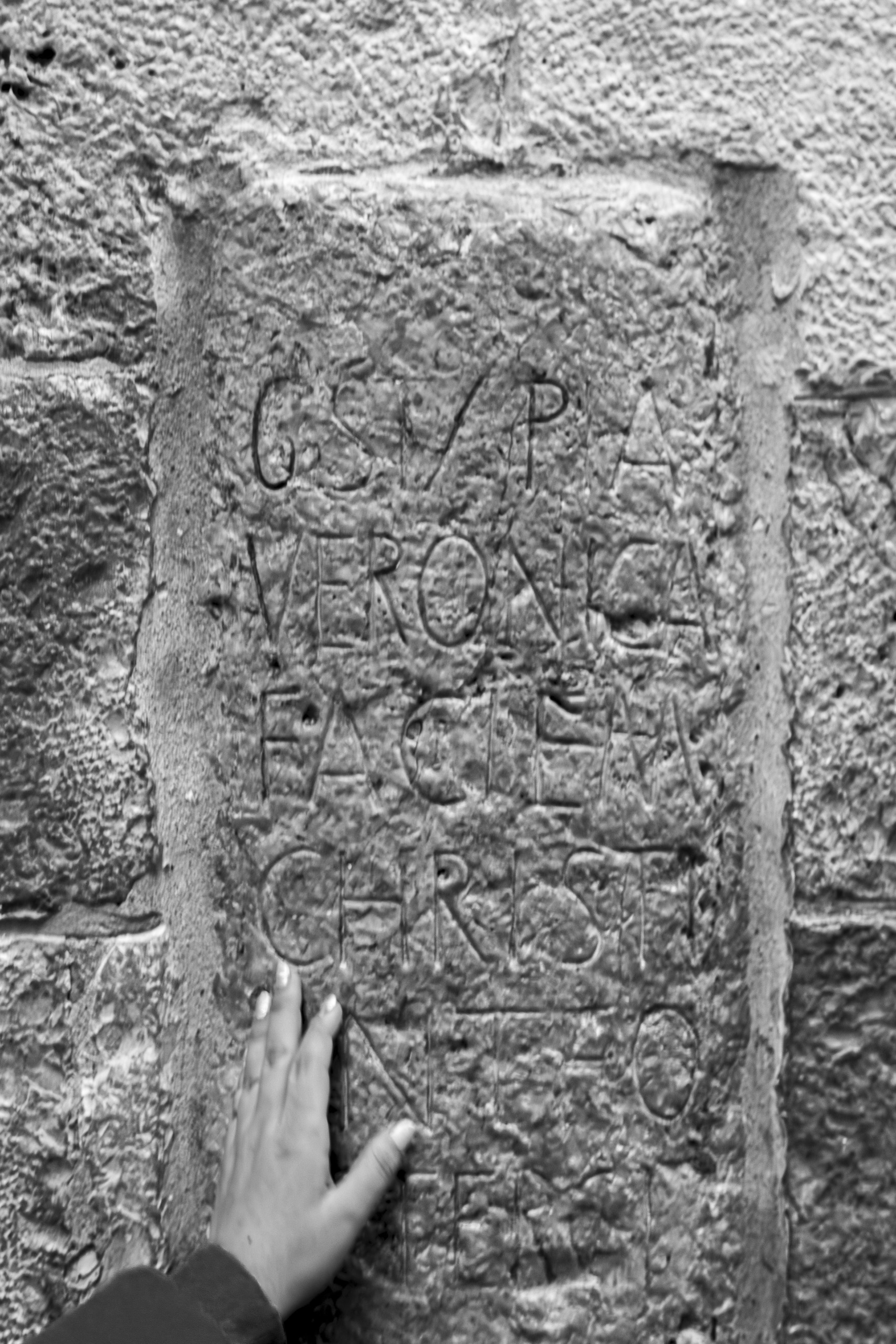
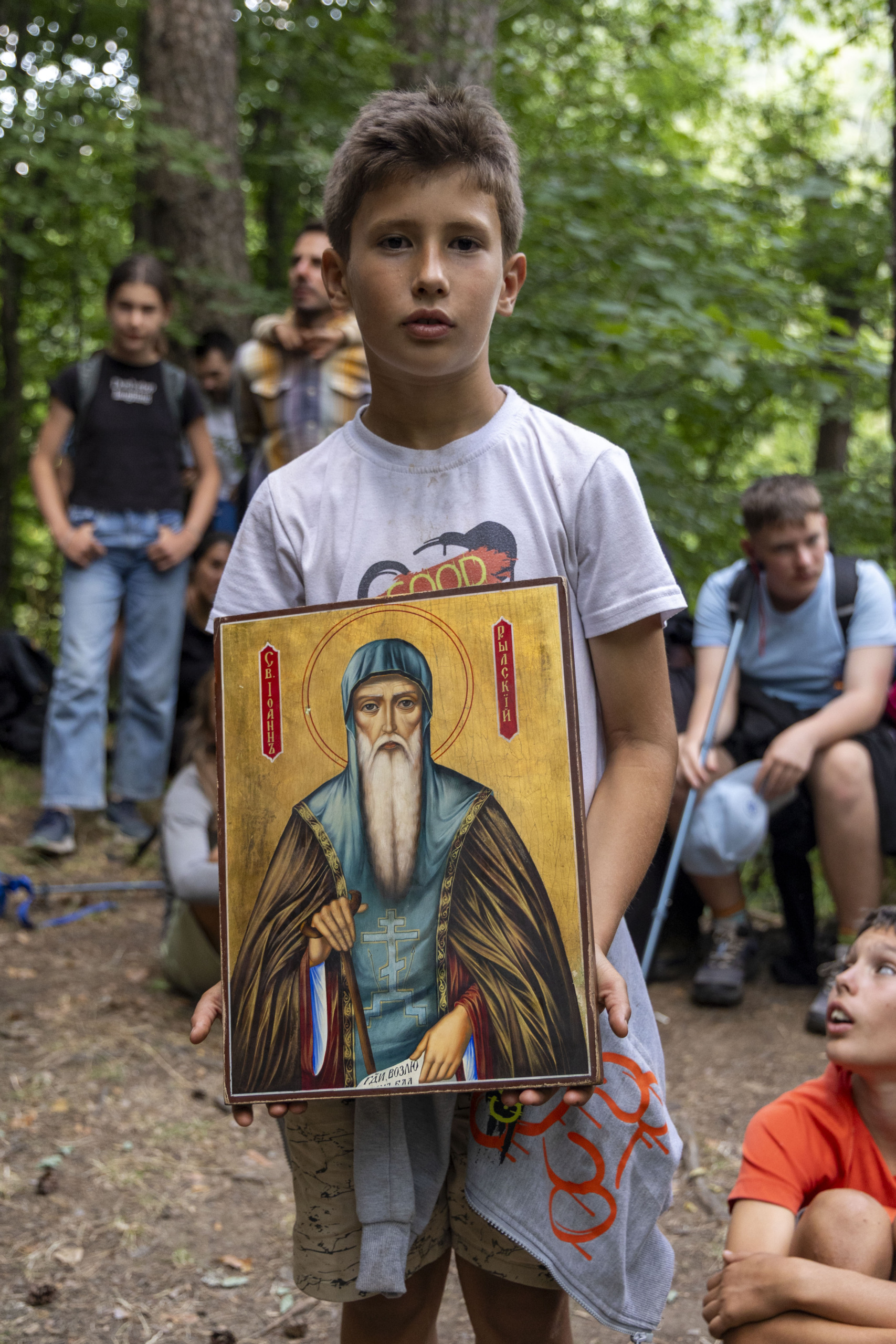
Do you think a photographer needs to understand Orthodox traditions and rituals in order to photograph them well?
Technically, aesthetically pleasing shots can be made by anyone who simply knows how to photograph well. But for pictures to have a soul — to speak — I believe they need to be made by someone who understands and empathizes with what is being photographed.
The difficulty comes from elsewhere: the well-known photographic axiom that you are either taking part in something or photographing it, not both. But what is easy in life anyway?
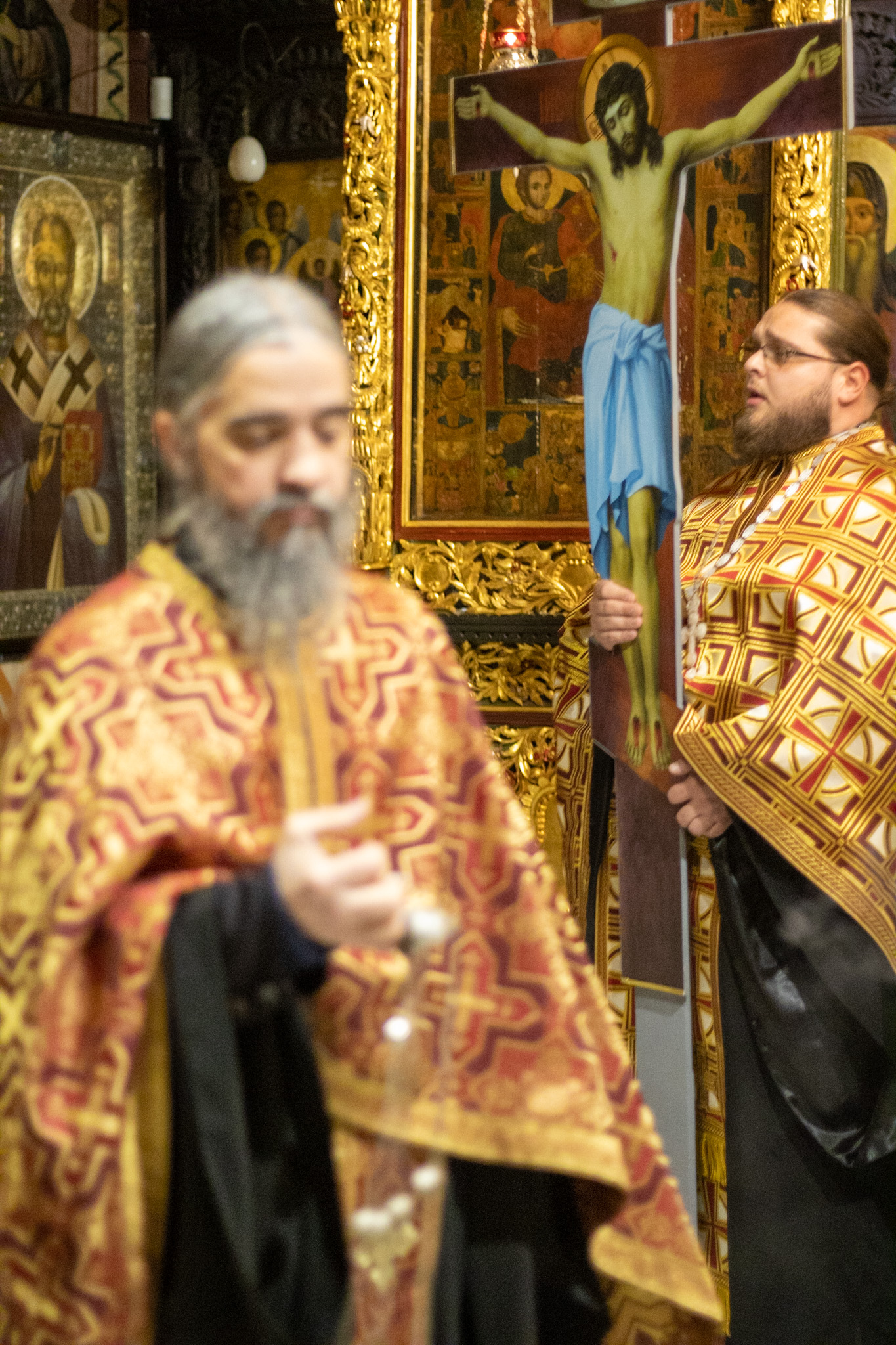
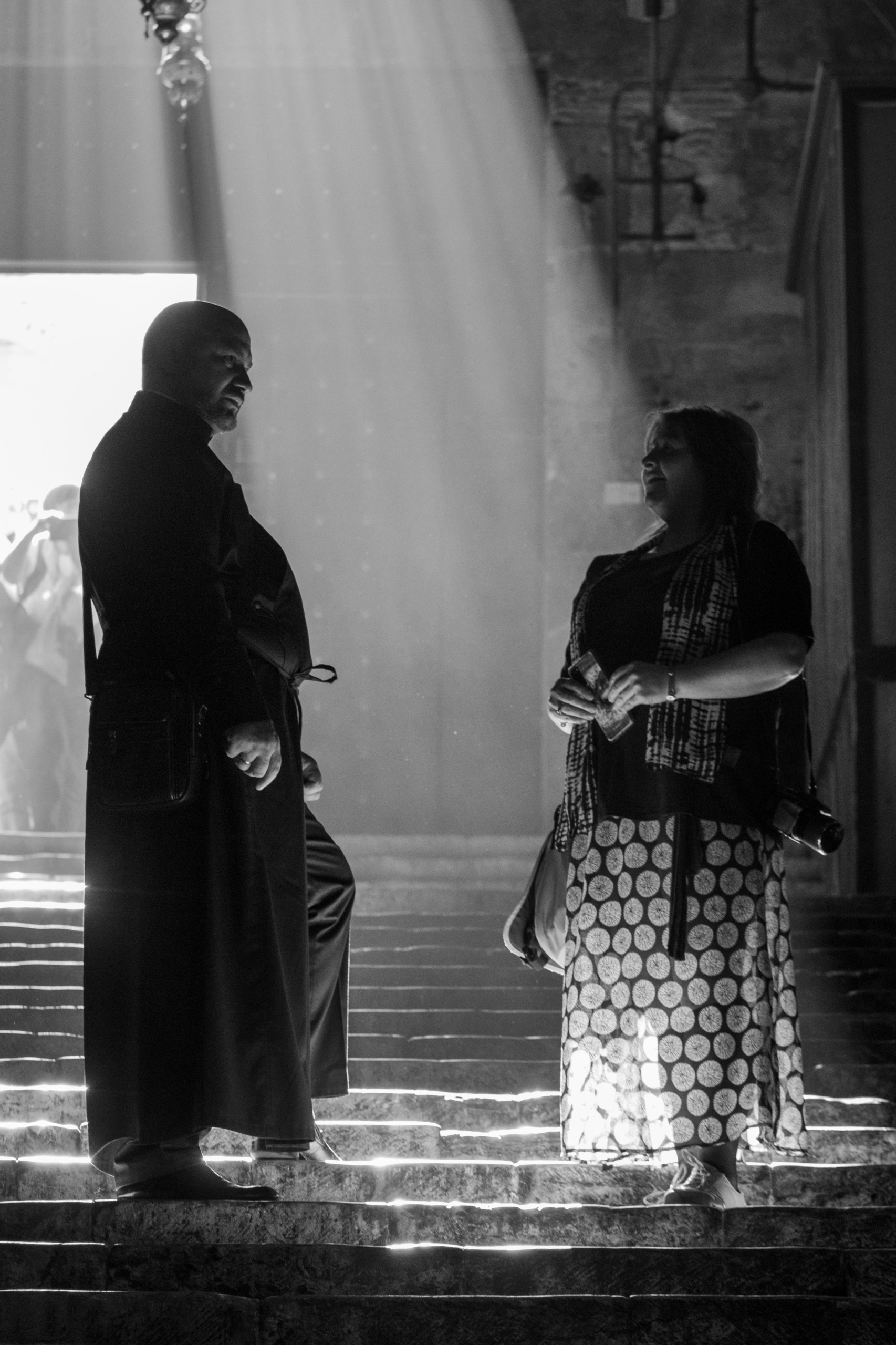
What fascinates you most visually about Orthodox churches: the architecture, light, icons, people, rituals, or movement?
Orthodox Christian art has impressed me deeply since childhood — long before I entered the Church and long before I understood what it meant. Byzantine iconography, Eastern chant, the architecture: they reach the depths of the soul and speak without mediators or decoding.
Photographically, what draws me most — and what is almost impossible — is capturing the feelings of those in the services, clergy and laity alike. God is merciful; sometimes He allows it to happen.
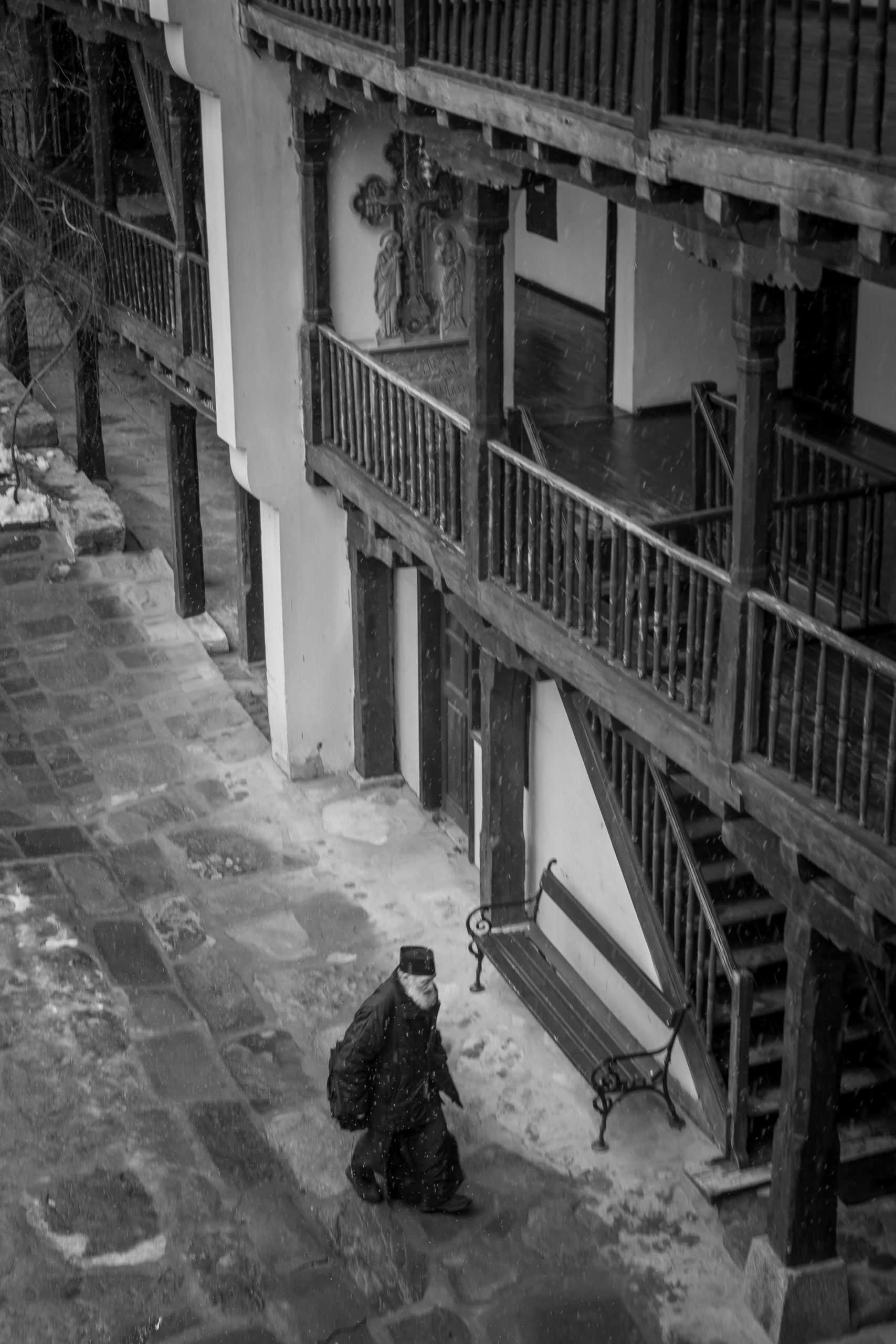
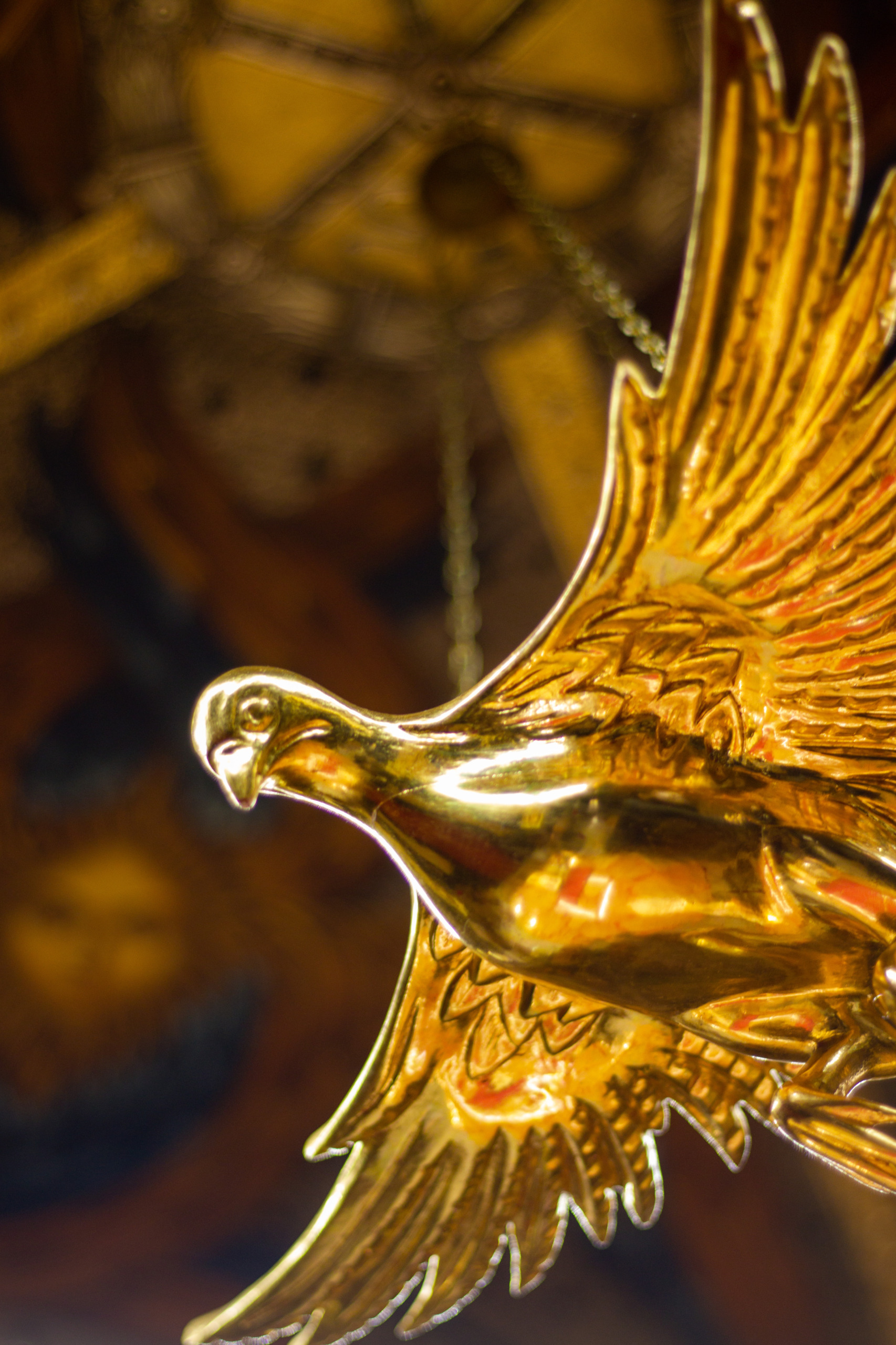
Churches can be challenging environments for photography. How do you work with low light, candles, movement, and changing conditions?
Yes — there is almost no church where the light is not mixed. Candles burn, sunlight enters, and several kinds of bulbs are on at once: tungsten, LED, fluorescent. In different parts of the church the mix changes. No white-balance setting exists for that.
The only workable approach is to choose a spot where one light source dominates and photograph what is close. If you shoot reportage or try to take in more of the church and people, you face hours of editing — and still may not be happy.
Light is not the only challenge. Utensils and candlesticks glitter; the background is noisy — people, frescoes — all packed into a small space. Some churches have a fully gilded iconostasis, so everything shot toward the east of the nave turns yellow. And of course our favourite plastic bags… But it is what it is.
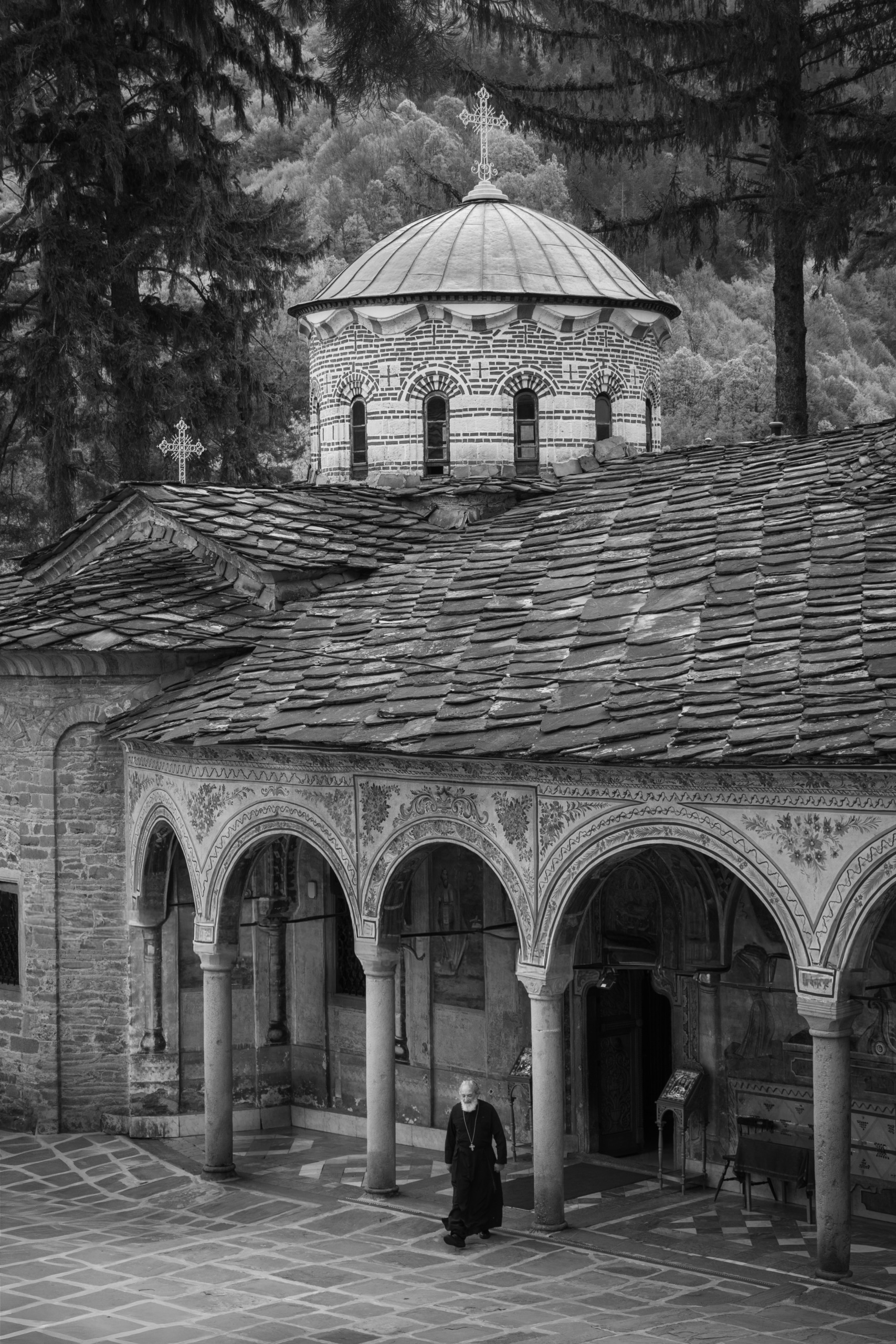
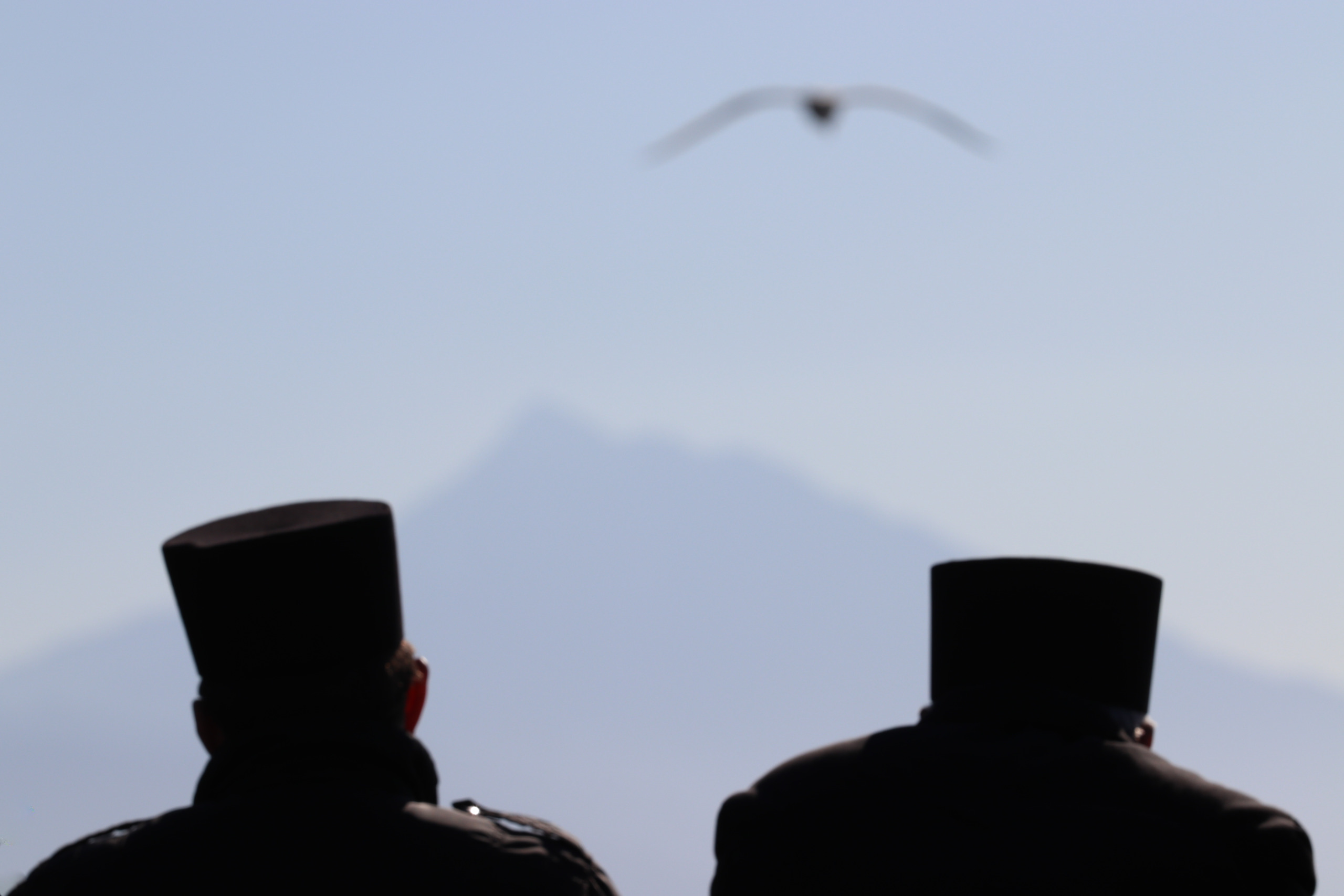
Do you enter a ceremony with a preconceived idea of what you want to photograph, or do you prefer to react to what happens?
It depends. I plan in advance only when photographing a rite for people close to me — a wedding, for example — or when a high-ranking guest visits the church or the service. Then a few specific, clear frames are expected: more souvenir or protocol than art, but they still need to be thought through beforehand. That is rare.
I know the church and the services. Usually I let the service lead me and orient myself as it unfolds.
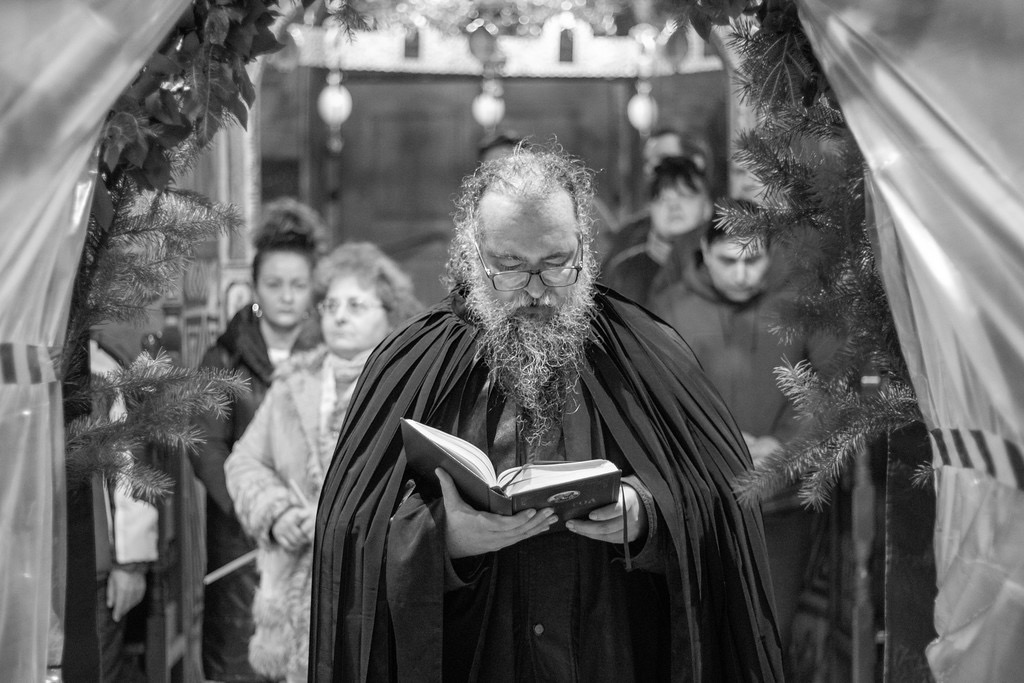
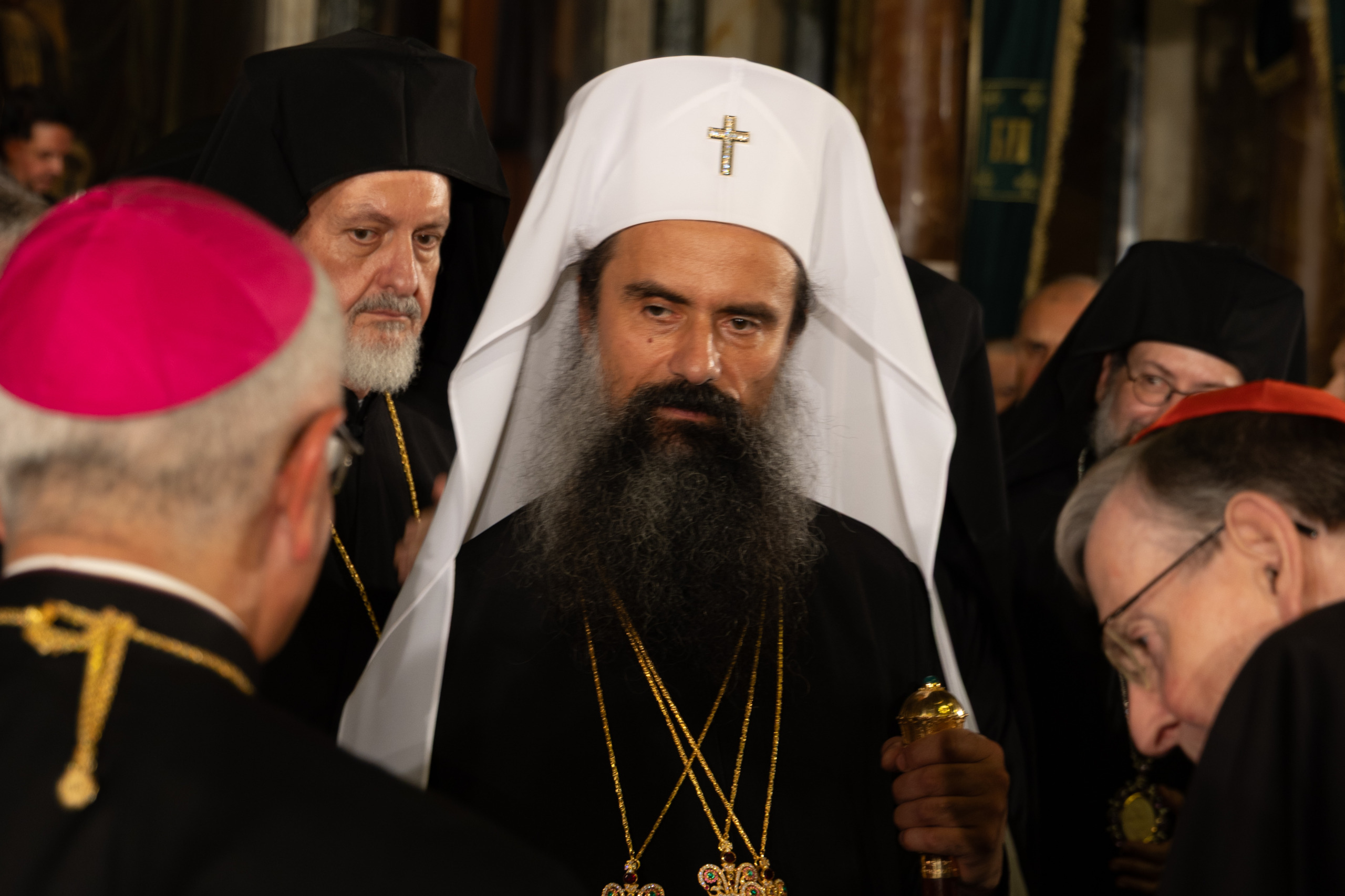
Have you ever captured a moment during a ceremony that affected you personally?
Of course. But the most touching ones I usually do not photograph. A few weeks ago, on a pilgrimage, a woman standing next to me at evening worship was so moved that she wept; her repentance was deep. It was a dream frame: the nave, in the foreground a young woman with black hair, blue eyes, and light skin, her head covered with a beautiful scarf, crying; in the background, soft focus — a priest reading a prayer.
I did not even think of photographing her. I reached into my pocket, gave her a pack of tissues, and that was all. Something stops me in those situations; I cannot raise the camera. I feel like a voyeur. So I rarely shoot them. Perhaps because they are deeply intimate — a personal space you should not enter.
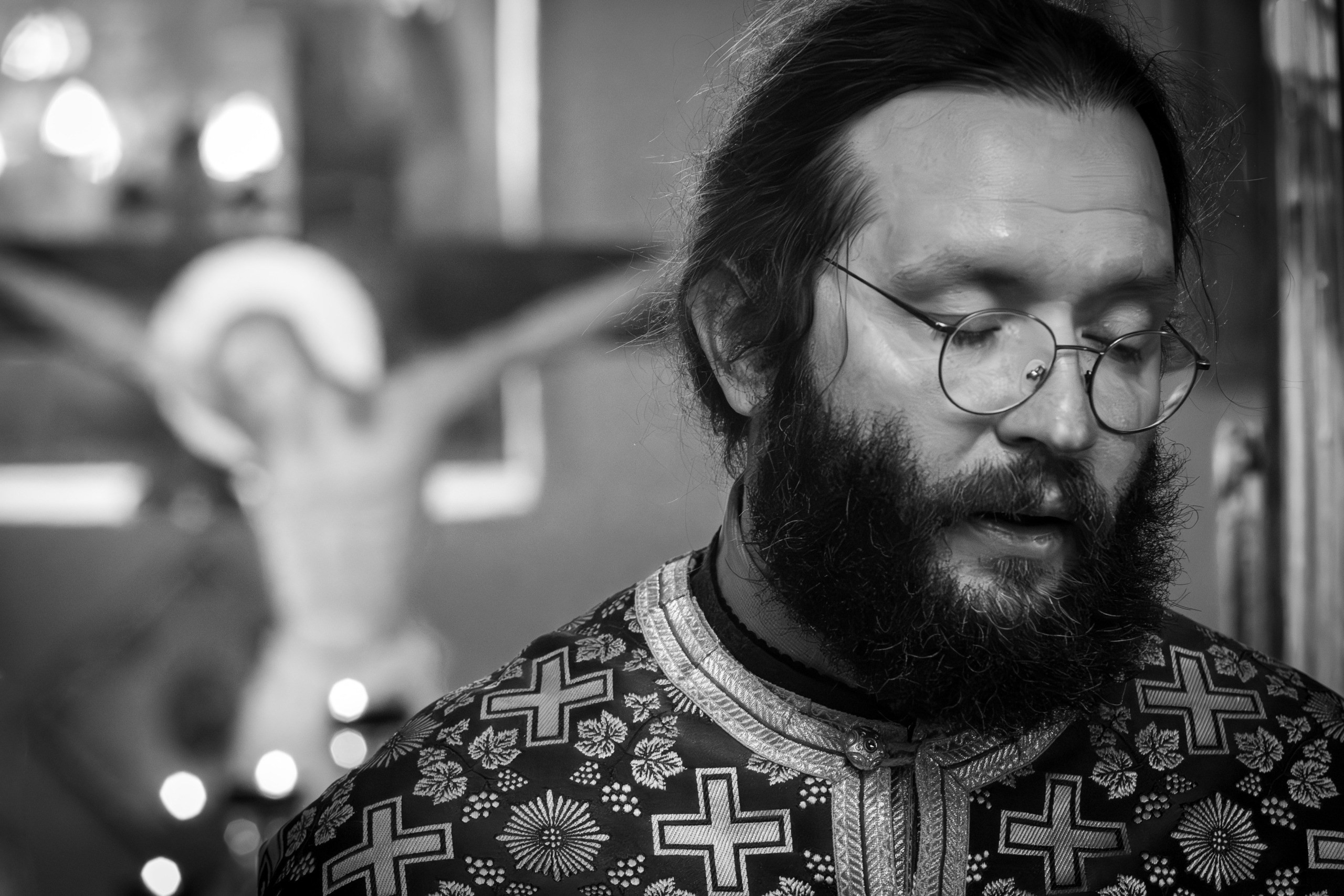
Is there a photograph you have taken at a church event that you consider particularly important to your work? Why?
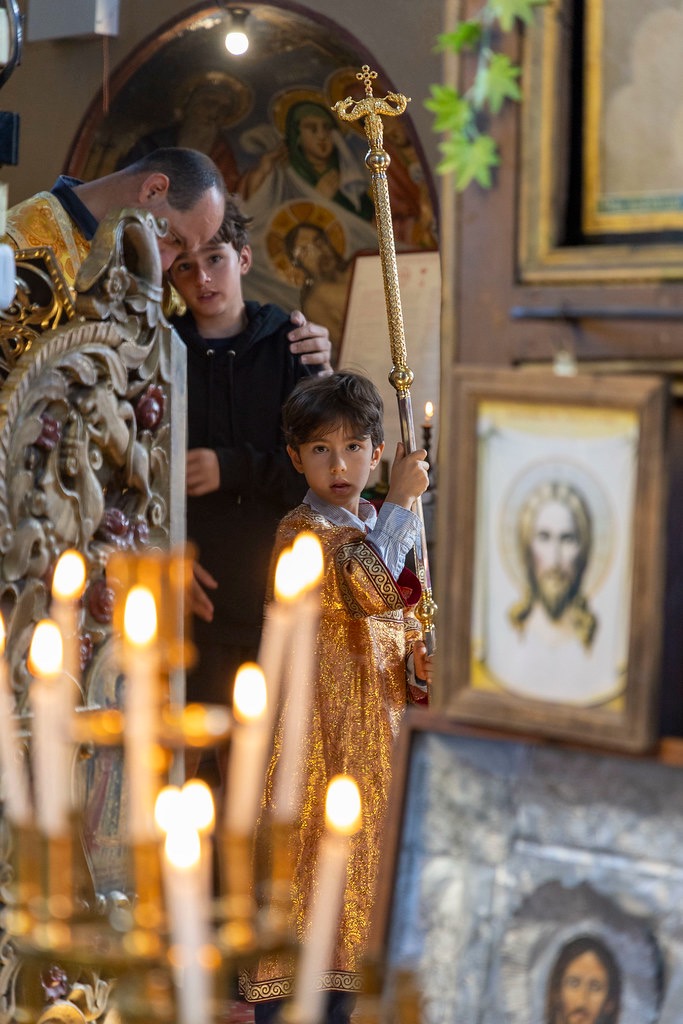
What the Lord allows to work best for me are photographs of children in the Church. I do not think that is accidental — they are His angels on earth: pure and sincere. Perhaps the results are good also because I am often on the same wavelength with them. When they trust you, the result speaks for itself.
Beyond the glory of God, that beauty delights parents and makes everyone glad. And the finest thing for the photographer is to see some of those little models reach for a camera themselves during the service.